Adult Venous Blood Collection
|
Situation
|
Difficulties
|
Recommendations
|
|
Patients with difficult to locate veins e.g. geriatric patients
|
Difficult to locate veins,
decreased vein elasticity, rolling, collapsing or fragile veins, dehydration and low blood pressure make locating
veins difficult.
|
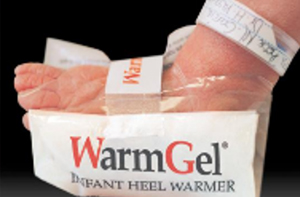
Warming the site increases blood flow as much as seven times. Options include:
- Commercially available pre-warming devices. To avoid burning the patient, the device provides a uniform temperature that does not exceed 42C.
- A towel or diaper dampened with warm tap water used to wrap a hand or foot before skin puncture. However, care must be taken not to get the water so hot that it scalds the patient.
- Massaging the area gently to help locate a vein and increase blood flow.
|
|
Obese patients
|
Deep veins, challenging palpation and locating a vein. Rolling veins may be present.
|
- Use bariatric chairs, if available, in an out-patient setting to prevent discomfort and embarrassment.
- Consider longer needles to help access deeper veins.
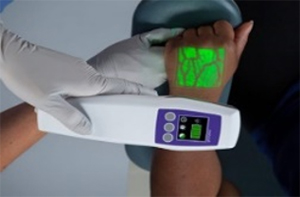
- Warming the site (see row above) or using a Vein Viewer may enhance vein location.
|
|
Oncology patients
|
Chemotherapy can alter
vasculature and affect vein patency and palpability.
Rolling veins may be present.
|
See under ‘Patients with difficult to locate veins’ above.
|
|
Needle-Phobic
patients
|
Fear of needles. This is usually a result of a prior negative encounter with sharps
|
- Present yourself calmly and confidently.
- Make sure the patient is reclined comfortably.
- Explain the procedure without showing any collection items
- Built trust by engaging in conversation to distract the patient e.g. We are going to work together to make this as quick and gentle as possible
- Complete the procedure as quickly as possible
- Exercising an abundance of patience and compassion
|
|
Cognitively
impaired and/or combative patients
|
Unpredictable and sudden motions and behaviors.
|
- Assistance should be sought from another staff member e.g. another phlebotomist and/or appropriate patient relative to help keep the patient stable and minimize sudden motions
- If the phlebotomist/collector feels that the procedure cannot be performed safely, the physician should be notified that the procedure cannot safely be undertaken.
- Do NOT place equipment within reach of the patient.
- A clean gauze should be ready to use in case the needle is violently removed if the procedure is undertaken.
|